



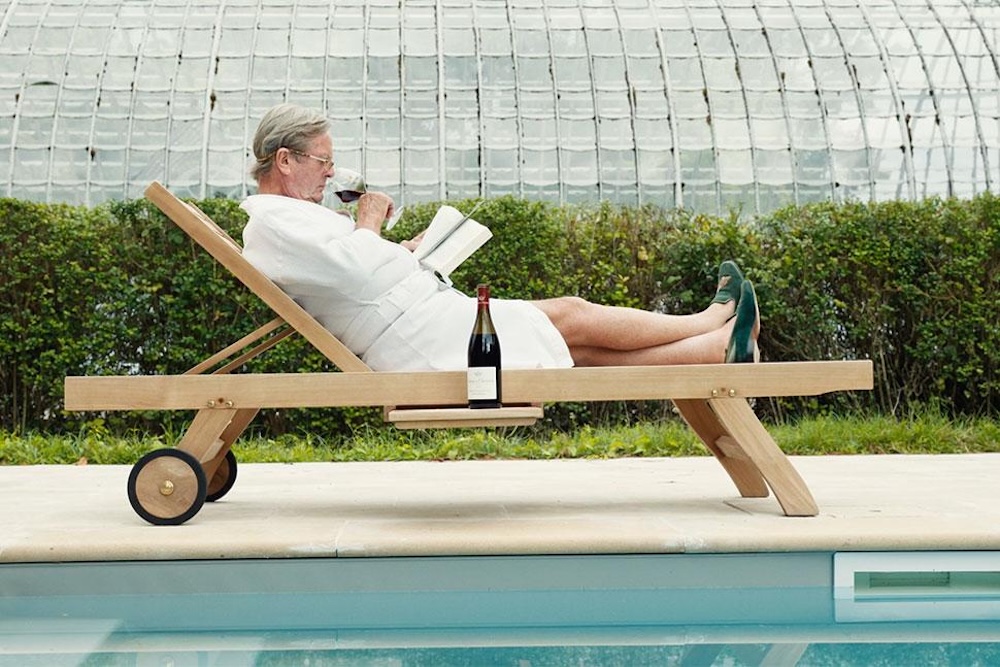

Michael Dweck and Gregory Kershaw’s attraction to wine might be a little less obvious than one might expect when their latest “Burgundy” seems like a natural companion to their 2020 delight “The Truffle Hunters,” which dug into the dirt of Piedmont, Italy alongside the veterans who trawl the forests for the prized fungi with the value of the gourmet good only going up in estimation upon seeing the work and experience that goes into it. Surely, foodies will be interested in Dweck and Kershaw’s French adventure in wine country, but what makes it something to savor is not an appreciation for Pinot Noir or Chardonnay, but for the filmmakers’ process that practices patience as the vintners do to yield something instantly pleasing yet could only be achieved over a great deal of time.
Unlike the duo’s previous films, which tend to take viewers aback with their uncanny ability to let reality unfold in perfectly composed frames, there’s a suggestion at the start that “Burgundy” might not entirely be on the level — at least in a documentary sense, when it rings true emotionally — with a disclaimer saying “Everything that follows is true. Exactly as we dreamed it.” However they got there, they find a juicy if not entirely unusual story to tell as they settle in with Bertrand, the owner of grand vineyard who should start thinking about what the future of the land will be after his passing. He isn’t looking for an heir, but rather just an employee who can help him with the physical labor around the vast property and while no one applies with any background in working on a vineyard, an enthusiastic young man named Enzo wins the job and it seems Bertrand’s heart as he walks around the estate and the owner stresses how “great wine is made up of little details, each of which has little meaning,” but collectively adds up.
Not only is Enzo attentive to such things as he tries to impress Bertrand, but of course Dweck and Kershaw are as well, painting a vivid portrait of the tony world that the young man enters from a less privileged background and while he isn’t too aggressively ambitious, he has to start to believe that he might make as good a future steward as Bertrand’s grandson Melchior, who appears as if he only has a half-hearted interest in taking over the 160-year family tradition with few others around. If “The Truffle Hunters” was about the tension of a dying art form that’s never been more prized as the product only became more coveted yet the amount of people who know how to properly harvest it has diminished, “Burgundy” becomes about succession where those that might be most passionate about keeping the tradition alive may be prevented from doing so when the class system is very much alive and Enzo simply wasn’t born into the right family to achieve the kind of success he’d want for himself. His story is told in parallel to two other young people — Celeste, a potential girlfriend who trains to become a sommelier in another part of town, and the unrelated Matteo, who takes lessons from Patrick, a consummate maitre’d at a hotel restaurant that shows that listing off the evening’s specials isn’t for the dispassionate.
“Burgundy” is a little less concerned with the overall community as Dweck and Kershaw’s previous films have been, though the film caroms across anywhere wine might be from where it’s grown to where it’s served and does well to include Guillaume, a critic who does enough tastings to develop tennis elbow from lifting the glass. (One of the great comic moments is following him to the doctor’s office to get this diagnosis while a trip to his psychologist leads to one of its most profound as he talks about how special it is to taste wines from your year of birth to get a sense of what the overall atmosphere was like.) The more concentrated narrative around Enzo may be surprising to those that enjoyed Dweck and Kershaw’s other explorations rooted more in a sense of place, but a tighter story around someone who must decide where he wants to go in life both personally and professionally when he insists on staying where he is even as the place seems to have less love for him in return deserves taking a little more precedence and allows Dweck and Kershaw to be a little looser and more endearingly playful in their approach elsewhere, presenting Enzo’s budding romance with Celeste in clearly fictionalized 16mm vignettes as if this was a Jacques Demy film made in his heyday. Fittingly for a film that shows how breaking from tradition isn’t always a bad thing, the wine here is served up sparkling.
“Burgundy” does not yet have U.S. distribution.