
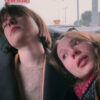


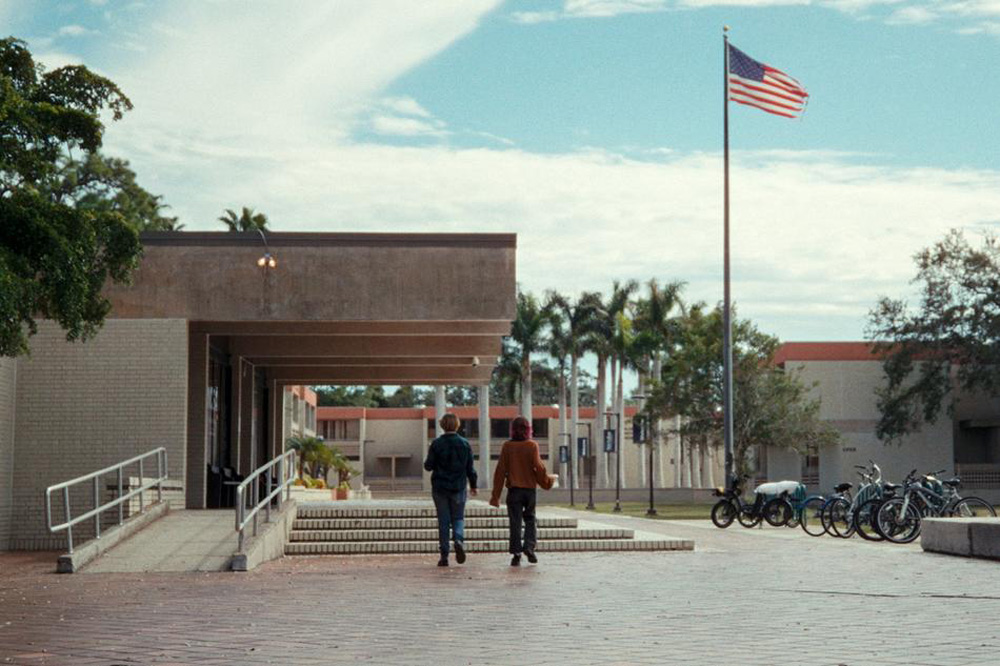

“Reality is just a consensus of perspectives,” Dylan, a student at the New College in Sarasota, Florida says in “First They Came for My College” to kick off a conversation about a communal garden on campus. The mix of philosophy, open dialogue and an interest in organics are all indicative of the type of unconventional education that could be expected at the liberal arts college since its founding in 1960, but emboldened by a second Trump Administration, Governor Ron DeSantis wants to make an example of New College as he wages war on DEI at state schools more broadly. Remarkably, Dylan’s words still hold true as a warped conservative vision sets in that could be a considered a consensus if you were to exclude the majority of the student body at the school once Richard Corcoran, an apparatchik of DeSantis is installed as the new president of the school and the board of trustees is expanded to give MAGA types such as the New York-based Christopher Rufo a majority that can steer any vote in their direction, making such abrupt decisions as giving the school a baseball team when they don’t have a field for them to play on.
Rufo, who can’t be bothered to attend meetings in person, often looms large over the proceedings as he beams in on a Zoom, giving director Patrick Bresnan a naturally chilling image of the authoritarian creep occurring in Florida and the director, who has previously found the state to be fertile territory to reflect national headwinds that the next generation is entering in the 2019 high school doc “Pahokee” (made with his partner Ivete Lucas), collects such vaguely surreal scenes throughout the year he spent on the New School campus as the DeSantis makeover is recklessly implemented. It may have taken decades to create the kind of institution that established itself as a safe haven for arts students and regularly attracted the best and brightest that might feel confined by more traditional study practices, but the tear down happens in a hurry when the new trustees that can eliminate areas of study and reshape the student population by offering scholarships to new students and pulling them from those currently enrolled.
The atmosphere on campus becomes toxic when not only do the students who enrolled prior to 2024 feel compelled to spend more of their time protesting the abrupt changes to the curriculum than to work towards the degrees they came to the school to attain, but the influx of new attendees – largely athletes with nothing but time on their hands when again, there are no athletic facilities to speak of, and no real plans to study themselves — instigate a clash of cultures on a campus that’s prided itself on inclusivity and now is subject to stray slurs. What comes into sharp relief as Bresnan moves between the promenade and board meetings is how the goal of the new administration isn’t to serve any of its students — if it was, they might invite their input on something as benign as a new mascot for the school, let alone all the longtime majors that are up for elimination. Instead, the poisoning of the discourse is the point as swaths of students are made to feel unwelcome and decisions have been made behind closed doors by people with no stake in the school, making the public debate basically theater, employed to stir anger that can be used later as evidence of irrationality on the part of those who protest.
Ironically, the film runs the risk of trying to do a little too much in following a variety of people who deeply care about the fate of New College, inevitably having to do justice to a numerous storylines that can sometimes feel slightly undernourished. But when the students can’t fully know what’s being lost from being at the school for just a year or two, it’s wise of Bresnan to give as much attention to some of the professors who have been around to build the institution, namely Amy Reid, a gender studies professor who takes a seat on the board as the faculty representative when her predecessor resigns in disgust and finds her own department on the chopping block. Visits to a journalism class are also a way to quantify the changes to New College when Maria Vesperi, the longtime adviser to the newspaper finds herself at a loss to properly offer guidance on how to cover an unprecedented situation yet encourages the kind of collective conversation in class that seems to have been silenced in other parts of the university.
Although “First They Came for My College” would be worthwhile if only to witness both how quickly and opportunistically bad actors can destroy a school that took decades to build in terms of reputation and as an environment for students to thrive, it also offers some much-needed hope when so many still exhibit a desire to learn and to engage when it seems like the fix is in. Culminating in a graduation ceremony where the choice of commencement speaker couldn’t be more tone deaf relative to who is being addressed, a chorus of boos brings the current moment into focus when there’s a capacity for embarrassment on the right that looks like a superpower when acting with impunity and just when it seems like nothing can be done, the sight of the speaker slinking away, having no conviction worth standing up for while the students feel like they have everything on the line, does end up providing one last lesson to the graduating class, just a far different one than they could’ve ever predicted.
“First They Came for My College” will next screen at the Florida Film Festival on April 11th at 5:30 pm at the Enzian Theater and April 16th at 4 pm at the Regal Winter Park Village and the River Run Film Festival at 4 pm at the University of North Carolina School of the Arts’ Babcock Theatre.